Cheap office rubbish removal Maida Vale for local businesses
Posted on 10/06/2026
If you run a business in Maida Vale, office waste has a habit of piling up at the worst possible moment. Old desks, broken monitors, packaging, archive boxes, and that one mysteriously heavy chair in the corner all end up taking space, slowing teams down, and making the office feel busier than it should. Cheap office rubbish removal Maida Vale for local businesses is really about getting that clutter out quickly, safely, and without paying for anything you do not need.
That sounds simple, and in a way it is. But the difference between a cheap service and an expensive mistake often comes down to planning, timing, and knowing what should happen to each type of waste. This guide breaks down how office clearance works in practice, what affects cost, where businesses tend to waste money, and how to choose a clearance option that fits a real working day in W9.
We will also cover the practical bits people usually ask after the first quote lands: what counts as office rubbish, how same-day collection compares with scheduled clearance, what to do about bulky items, and how to avoid surprise charges. If you want the broader service picture first, the services overview is a useful place to orient yourself, and for direct help you can always use the contact page.
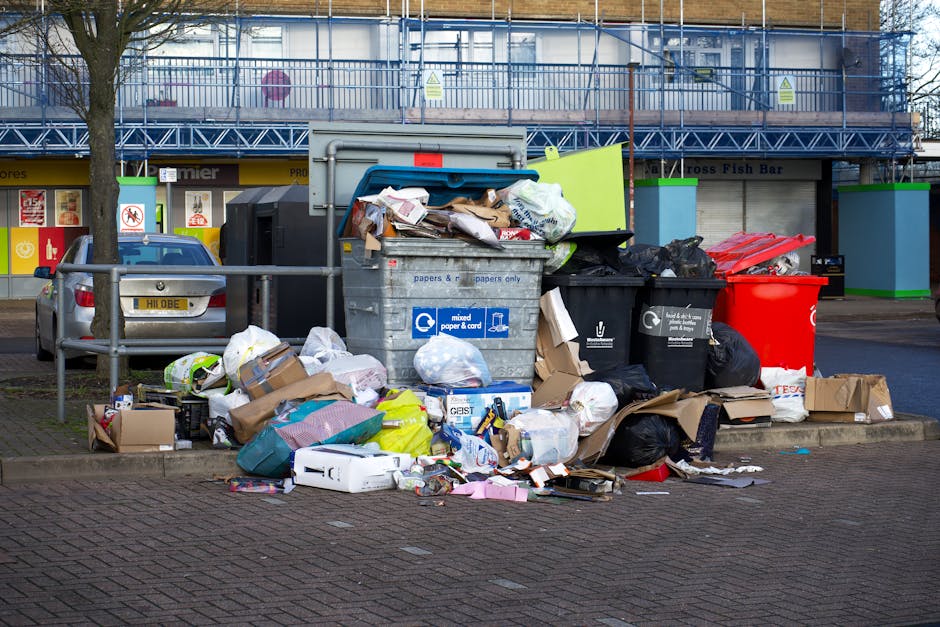
Why cheap office rubbish removal in Maida Vale matters
Office waste is not just a tidiness issue. For local businesses, it affects usable floor space, staff comfort, reception presentation, and sometimes even day-to-day productivity. A cluttered back office or storage room can quietly become a drain on time, because people stop putting things away properly when there is nowhere sensible to put them.
In Maida Vale, many businesses work from compact offices, converted buildings, or mixed-use premises where every square metre matters. When waste starts creeping into meeting areas, corridors, or spare corners, you feel it fast. The printer suddenly seems louder. The spare chair becomes a trip hazard. The room that should hold client files ends up holding cardboard and packaging. It happens gradually, which is why it catches people out.
Cheap clearance matters because waste removal can become a recurring cost, not a one-off. If you are refurbishing, relocating, downsizing, or simply dealing with an ongoing stream of packaging and obsolete office kit, you want a service that removes only what is needed, charges transparently, and finishes the job without disrupting trading hours. That is especially true for smaller businesses that do not have a facilities team or a dedicated contractor on retainer.
There is also a reputational angle. Clients notice untidy entrances, old furniture left in sight, and overflowing bins outside the premises. A clean, well-managed office signals order. It is a small thing, but it matters more than people admit.
For businesses that need a broader clear-out rather than a simple rubbish pickup, office clearance in Maida Vale is the most direct fit. If the waste includes mixed materials from fit-out work, then builders waste clearance in Maida Vale may be the more suitable route.
Expert summary: the cheapest office clearance is rarely the lowest headline number. It is the one that removes the right waste, in the right window, with no hidden extras and no avoidable repeat visits.
How cheap office rubbish removal in Maida Vale works
Most office rubbish removals follow the same basic flow. You describe what needs clearing, a team assesses the load, a price is given, and the waste is collected and taken away for sorting, reuse, recycling, or disposal. The detail matters, though, because a clear quote depends on what is being removed and how accessible it is.
1. Initial assessment
You start with a description or photos of the items. Good questions to answer are simple: how many items, what size, what floor, and whether parking or loading access is difficult. If there is a lift, that helps. If there are narrow stairs and no loading space, that changes the job completely. Honest detail at this stage usually saves money later. Fancy that.
2. Quotation based on volume, labour, and access
Office rubbish removal is usually priced by volume, labour time, and the nature of the waste. A few bags of paper and packaging cost less than a van load of desks, metal shelving, and IT equipment. Items that require extra handling, such as filing cabinets or awkward furniture, can also affect the price. Same-day collection can cost more because it interrupts the schedule and may require a faster dispatch window. You can read more about the real-world pricing side in this same-day collection cost guide.
3. Sorting and segregation
At collection, items are usually separated where practical. Cardboard, office furniture, metals, electronics, and general rubbish do not all follow the same route. This is one reason a reputable service can often be better value than trying to handle everything in-house. Materials that can be recycled should be kept separate where possible, because that can streamline disposal and reduce wasted transport.
4. Removal and loading
The team removes the items, carries them out safely, and loads them into the vehicle. For office buildings, this can be the most disruptive part, so timing matters. Early morning, lunchtime, or after-hours visits often work best, depending on the business. In practice, a quiet Monday morning can be ideal. On the other hand, a Friday afternoon before a client visit? Not so ideal.
5. Disposal and documentation
Waste should be taken to the appropriate facility or transfer station, with records kept as needed. For business waste, paperwork and accountability are more important than many owners realise. A legitimate provider should be able to explain what happens to the waste and how recycling or reuse is handled. If sustainability is part of your business values, the recycling and sustainability approach is worth reviewing.
Key benefits and practical advantages
Cheap does not have to mean flimsy. Done properly, affordable office rubbish removal can give a business several very real advantages.
- More usable space: clearing stored waste frees up desks, archive space, and circulation areas.
- Better first impressions: cleaner reception and work areas look calmer and more professional.
- Less staff disruption: if the clearance is planned well, employees can keep working while the mess disappears.
- Lower risk of clutter-related incidents: fewer blocked walkways and fewer awkward stacking arrangements.
- Improved recycling outcomes: office waste is often a mix of cardboard, metals, wood, and electronics that can be separated properly.
- Flexible scheduling: local businesses can often fit collections around trading hours more easily than with self-managed disposal.
- Faster project turnarounds: office moves, refits, and downsizing projects move quicker when waste is removed promptly.
There is also a hidden benefit: decision fatigue drops. If your team is no longer staring at a pile of old equipment every day, they can focus on the actual work. That sounds obvious, but it really does change how a place feels.
For businesses that also need furniture taken away, a specialist furniture disposal service in Maida Vale can be folded into the same visit. If the job is simply smaller loads and mixed office junk, then junk removal in Maida Vale may be the quicker option.
Who this is for and when it makes sense
This type of service is useful for a wider range of businesses than people first think. It is not just for large offices or formal relocations.
Local businesses that commonly need it
- Accountants, solicitors, and consultants clearing archived paperwork or old furniture
- Shops and salons replacing fixtures, shelving, or storage units
- Cafes and hospitality businesses removing surplus packaging, broken fittings, or back-of-house clutter
- Co-working spaces dealing with abandoned chairs, desks, and equipment between tenants
- Small offices moving premises or reconfiguring layouts
- Property managers clearing communal office spaces or maintenance stores
It also makes sense when a business is in that awkward in-between stage. Not enough waste for a skip, but too much for the team to handle in a car park trip or a series of DIY runs. In real life, that middle ground is where many people get stuck. They spend a week trying to manage disposal themselves, only to realise the whole thing has eaten far more staff time than the clearance would have cost.
If your premises are in a mixed residential area, timing and noise matter too. Businesses working near busy streets or residential blocks often prefer collections that are quiet, quick, and tidy. That is where local knowledge counts. If you are also weighing up the wider area for office use or investment, you may find this Maida Vale property guide helpful, especially if your business is considering a move or expansion nearby.
Step-by-step guidance
If you want the cheapest realistic outcome, here is the simplest way to approach it.
- List everything to be removed. Separate desks, chairs, filing cabinets, cardboard, IT equipment, and general waste.
- Decide what stays and what goes. It sounds basic, but a lot of money disappears because people include items they still need.
- Take a few clear photos. One photo of the room, one of the heaviest items, and one of any access issues is usually enough.
- Check building access. Note stairs, lifts, loading zones, entrance widths, and any time restrictions.
- Ask for a clear quote. Make sure it includes labour, loading, disposal, and any possible extras.
- Choose a collection window that reduces disruption. Early morning is often easier than the middle of a trading day.
- Prepare the area beforehand. Put waste in one place if you can, label items that must not be removed, and clear a route to the exit.
- Confirm recycling or specialist disposal for specific items. This matters for electronics, confidential materials, and bulky furniture.
- Get the paperwork or receipt you need. Keep records for business files.
If the clearance is tied to a broader refurbishment, it can help to map the job in stages: strip-out waste first, bulky furniture second, everyday rubbish last. That avoids the classic "we thought it was all one pile" problem.
Expert tips for better results
Here is the bit that saves businesses money in practice, not just on paper.
Keep waste streams separate where possible
Mixed waste is more work to sort. If you can gather cardboard together, set aside reusable office furniture, and keep small electrical items in one place, the collection tends to be smoother. It does not need to be perfect. Just tidy enough to help the team work efficiently.
Be realistic about access
One of the quickest ways to blow a budget is to understate access difficulties. A second-floor office with no lift and a narrow stairwell will not be treated like a ground-floor unit. If the staircase has tight turns or the entrance is on a busy road, say so early.
Match the service to the waste
Office waste is not always just office waste. If your clear-out includes plasterboard, timber offcuts, or fit-out debris, the job may sit closer to builders waste clearance than a routine office tidy. Matching the service correctly avoids awkward surprises.
Use local timing to your advantage
In Maida Vale, traffic and parking pressures can vary quite a bit through the day. A collection timed for a quieter slot can be easier to complete, which can keep labour costs down. It is not glamorous advice, but it works.
Ask how items are handled after collection
Not every provider is equally transparent. A solid service should be comfortable explaining what happens next, especially for furniture and electronics. That is useful for your own reporting too, because some businesses now pay closer attention to sustainability and waste handling than they used to.
And a small one, but important: if you are clearing confidential paperwork, do not just tip it into a general pile and hope for the best. Shred, secure, or separate it first. Future-you will be grateful.
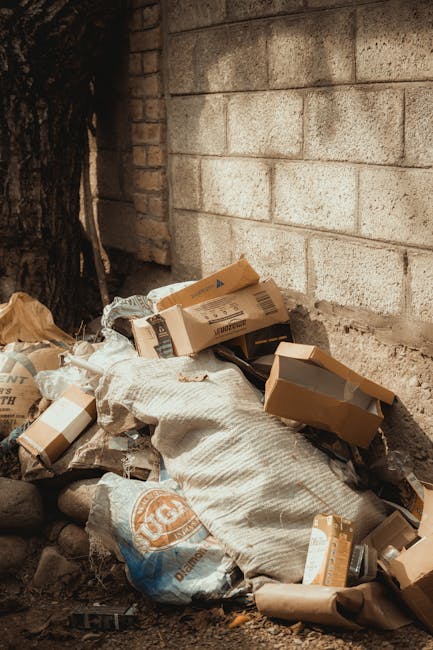
Common mistakes to avoid
Most expensive office clearances are not expensive because the waste was huge. They are expensive because of avoidable mistakes.
- Getting quotes from vague descriptions: "some office stuff" is not enough detail for a reliable price.
- Forgetting access issues: stairs, parking, and lift restrictions can change the job materially.
- Leaving IT equipment mixed in with general waste: electronics may need separate handling.
- Not checking for hidden add-ons: some charges appear after the job if the original estimate was thin.
- Using the wrong disposal route: skip hire, office clearance, and rubbish collection all suit different jobs.
- Ignoring timing: collecting during peak business hours can disrupt staff and clients.
- Assuming the cheapest quote is best: sometimes it is. Sometimes it is just incomplete.
If you have ever watched a van arrive and then realised half the load was not what the provider expected, you will know the feeling. A bit of planning saves that awkward half-hour where everyone is pointing at the same chair and saying, "No, that one was meant to stay."
For pricing clarity, it is worth reading how to avoid hidden charges for waste removal near Maida Vale Station. It is a useful reminder that quote structure matters as much as headline cost.
Tools, resources and recommendations
You do not need complex software or specialist systems to manage office waste well, but a few simple tools make the job easier.
Useful internal tools for business owners
- Photo checklist: take pictures of each room before booking.
- Simple inventory list: note furniture, bags, boxes, and electronics separately.
- Access notes: floor number, entry point, lift availability, parking details, and time windows.
- Removal log: keep a record of what was cleared and when.
Practical service recommendations
- For general office clutter, use rubbish collection in Maida Vale.
- For a full room-by-room clear-out, consider office clearance.
- For mixed waste from fit-out work, look at builders waste clearance.
- For highly bulky or one-off items, furniture disposal can be the cleanest fit.
For broader context around how a business fits into the area, a light read of whether Maida Vale suits residents and local life can be surprisingly helpful if you are choosing office premises with staff comfort in mind. It is not a waste-removal article exactly, but the local picture matters.
Law, compliance, standards, and best practice
Business waste in the UK should be handled carefully, and office rubbish is no exception. You do not need to become a compliance expert to book a clearance, but you should expect a provider to behave responsibly and keep things above board.
At a practical level, local businesses should think about four things: duty of care, safe handling, access safety, and correct disposal of special items. Confidential paper, electrical equipment, and any waste containing sharp or hazardous materials need more care than ordinary cardboard. If your waste includes items from refurbishment or demolition work, permit and disposal considerations can become relevant too.
That is why it helps to use services that can explain their process plainly. A reputable clearance provider should be clear about collection methods, insurance and safety, and what happens to recyclable material. You can review the company's insurance and safety information and the terms and conditions before booking. If you want a wider overview of how the business works, the about us page adds useful background.
If your clearance is near shared entrances, pavement access, or restricted parking, it is wise to ask in advance how the removal will be managed. Some jobs that look straightforward on paper turn awkward the moment the van cannot stop nearby. That is where clear communication matters more than clever wording. Really, it does.
For businesses dealing with construction or strip-out waste, the rules can be different from standard office rubbish. If permits or disposal rules are part of your situation, the guide on Maida Vale building waste permits and disposal rules is worth a look. For council-related context, Westminster council rules for Maida Vale rubbish may also help you avoid problems with timing, placement, or collection expectations.
Options, methods, and comparison table
Choosing the right clearance method is often the difference between a genuinely cheap job and a messy one. Here is a simple comparison to help you decide.
| Option | Best for | Pros | Watch-outs |
|---|---|---|---|
| Office rubbish removal | Mixed office waste, small to medium loads | Fast, flexible, usually minimal disruption | Price depends on access and volume |
| Office clearance | Full room or floor clear-outs | Efficient for furniture, files, and equipment | May be more than you need for small jobs |
| Rubbish collection | General waste and lighter loads | Simple and often cost-effective | Not always ideal for bulky items |
| Skip hire | Longer projects or ongoing waste generation | Useful if waste accumulates over time | Needs space, loading time, and sometimes permits |
| Furniture disposal | Desks, chairs, cabinets, sofas | Good for bulky items | May not cover mixed office rubbish well |
To be fair, many businesses use more than one method over a year. A small monthly collection for everyday buildup, then a larger office clearance when they relocate or refurbish. That hybrid approach often works better than trying to force every job into one box.
For businesses considering skip hire, the skip hire Maida Vale page can help you weigh up whether a skip is actually practical for your premises.
Case study or real-world example
Imagine a small consultancy on a side street in Maida Vale. The office has six desks, a reception area, and a storage room that slowly became a graveyard for broken chairs, spare monitors, cardboard boxes, and redundant filing cabinets. Nothing dramatic, just the usual build-up. But by the end of the month, the storage room was so full that staff started leaving parcels in the corridor. Not ideal, not at all.
The business did not need a full refurbishment clearance. It needed a targeted removal job. So the team prepared a simple inventory: four desks to go, six chairs, two filing cabinets, packaging, and a batch of outdated electronics. They photographed access, noted there was one narrow stair run, and mentioned that collections had to happen before clients arrived. That honesty mattered.
Because the job was clearly described, the provider could plan the right vehicle and crew. The removal was completed quickly, with the bulky pieces separated from lighter waste. The office immediately looked bigger, calmer, and more presentable. Staff stopped using the corridor as a storage shelf. Client meetings no longer began with someone silently nudging a cardboard tower out of view.
That is the real value of low-cost office rubbish removal: it gives you back time, space, and a bit of breathing room. It is not just about taking things away. It is about restoring the working environment.
For a more detailed example of bulky item clearance in the area, the Clifton Road bulky rubbish clearance case study offers a useful local reference point.
Practical checklist
Use this before you book.
- Have you listed every item that needs to go?
- Have you separated furniture, electronics, paper, and general rubbish?
- Have you checked access, parking, and lift availability?
- Have you photographed the load from a few angles?
- Have you confirmed the collection window suits your business hours?
- Have you asked whether the quote includes labour, loading, and disposal?
- Have you noted any confidential or special-handling items?
- Have you checked whether the job is better suited to office clearance, rubbish collection, or skip hire?
- Have you reviewed insurance, safety, and terms before booking?
- Have you kept a record of what was removed for your files?
If you can tick most of those off, you are usually in good shape. Not perfect, just good enough to avoid the common headaches.
Get a free quote today and see how much you can save.
Conclusion
Cheap office rubbish removal in Maida Vale is not about chasing the lowest possible number. It is about getting a fair, transparent service that clears the right waste, protects your time, and leaves the workplace ready for normal business again. For local businesses, that means planning the load, choosing the right method, and avoiding the small mistakes that quietly turn a cheap job into an expensive one.
If you keep access details honest, separate your waste sensibly, and match the service to the job, you will usually get a much better result than you expected. And honestly, that is often all most businesses want: less clutter, less hassle, and one less thing to think about on a busy day.
When the office feels lighter, the work tends to feel lighter too. Strange but true.



 Tipper Van - Rubbish Removal and Rubbish Disposal Prices in Maida Vale, W9
 Luton Van - Rubbish Removal and Rubbish Disposal Prices in Maida Vale, W9