Maida Vale building waste permits and disposal rules explained
Posted on 02/06/2026
If you are planning a renovation, extension, loft conversion, or even a straightforward refurb in Maida Vale, the waste side of the job can get messy fast. Bags pile up. Offcuts appear from nowhere. And before long, you are asking the awkward questions: do I need a permit, can I put a skip outside, and what happens if the waste is left in the wrong place?
This guide gives a clear, practical explanation of Maida Vale building waste permits and disposal rules. It is written for real-world projects, not theory. You will learn when permits are usually needed, how building waste should be stored and removed, what local rules tend to matter in Westminster, and how to avoid the kind of mistakes that turn a tidy project into an expensive headache. If you are comparing disposal methods, the overview on waste and clearance services in Maida Vale is also a useful starting point.
Why Maida Vale building waste permits and disposal rules explained matters
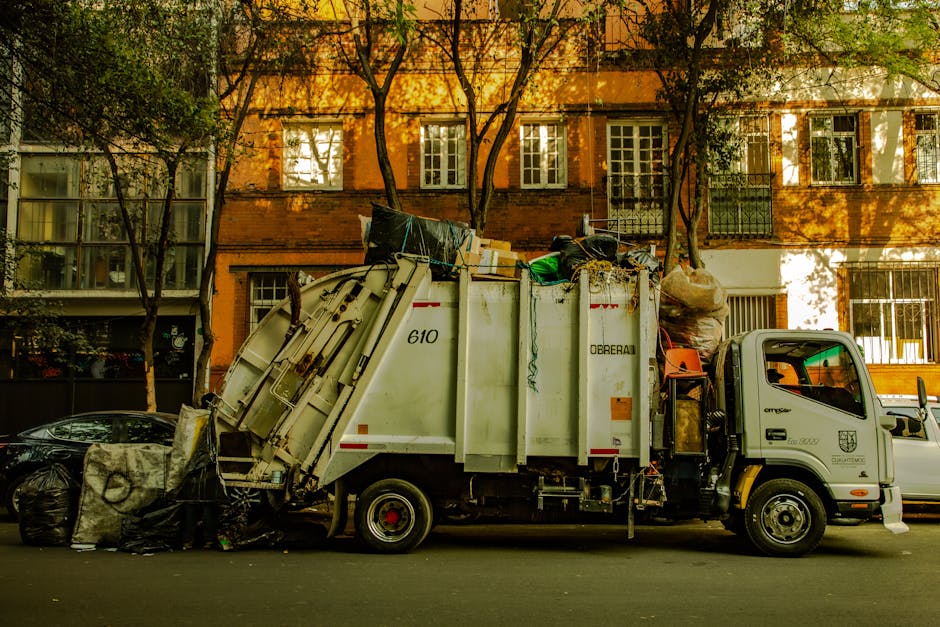
Building waste is not the same as everyday household rubbish. It can include rubble, bricks, plasterboard, timber, tiles, metal, insulation, packaging, old fixtures, and mixed debris from trades. In a place like Maida Vale, where streets can be busy and space is at a premium, the rules around where waste goes and how long it stays there matter a great deal.
The main reason this topic matters is simple: compliance protects your project. A skip that is put out without the right permission can become a problem. Waste left on a pavement can create obstruction issues. Mixed waste can be rejected or cost more to process. And if a contractor handles disposal badly, the responsibility can still land back on the person commissioning the work. Annoying, yes. Avoidable, usually.
There is also a practical side. Good waste planning keeps your site safer, faster, and cleaner. Tradespeople can move more freely, neighbours are less likely to complain, and the whole job tends to run with less friction. You will notice the difference on day two, not just at the end.
For readers trying to understand Westminster-related local expectations, our guide to Westminster Council rules for Maida Vale rubbish is a helpful companion piece. It adds context to the local side of the picture without turning the whole process into jargon soup.
Practical takeaway: if your building waste is going on a skip, on the pavement, or in a shared access area, check the permission side before the waste arrives. Sorting it afterwards is where the stress starts.
How Maida Vale building waste permits and disposal rules explained works
The rules usually come down to three questions: where is the waste going, who is collecting it, and how is it stored before collection? Once you answer those, the permit and disposal picture becomes much clearer.
1) Skip on private land
If a skip sits entirely on private land, such as a driveway, forecourt, or enclosed yard, a permit is often not needed. That sounds straightforward, but Maida Vale properties do not all have spacious private frontage. To be fair, many do not have any at all. In those cases, a pavement or kerbside location becomes the more likely option, and that is where permissions may come into play.
2) Skip on a public road or pavement
If a skip is placed on a public highway, road, or sometimes even a pavement space that forms part of the public area, permission is usually required. In London boroughs, that permission is commonly handled through the local authority or via the skip provider where applicable. The exact process can vary, and the details are worth checking before booking. A permit delay can throw off the whole timeline, especially if a builder is waiting on removal before starting the next phase.
3) Alternatives to a skip
Not every job needs a skip. In many Maida Vale projects, a man and van style collection, sack-based removal, or full builders waste clearance in Maida Vale is easier, faster, and less disruptive. That is especially true where access is tight, parking is limited, or the waste is a mix of heavy and awkward materials.
4) Sorting the waste properly
Disposal rules are not only about location. They also concern waste type. Builders waste often needs separating into categories because some materials are recyclable while others are best handled as general mixed construction waste. Plasterboard, soils, wood, metal, hardcore, and electrical items should not simply be thrown together without checking the accepted handling method. It may feel like extra work, but it often saves time and money later.
5) Duty of care still applies
In plain English, duty of care means waste should be passed to a legitimate carrier and handled responsibly all the way through. That includes keeping records, avoiding fly-tipping, and making sure waste does not end up where it should not. If you are hiring someone to deal with the waste, ask how they manage collection, transfer, and recycling. You do not need a lecture. You need reassurance that the job will be done properly.
Key benefits and practical advantages
Good waste planning is not just about avoiding trouble. It genuinely improves the way the project feels day to day.
- Fewer delays: waste is cleared when it should be, so trades can keep moving.
- Lower risk of complaints: neighbours are less likely to object to blocked access or untidy frontage.
- Better site safety: loose debris, sharp offcuts, and unstable piles are easier to control.
- Cleaner handover: the final result looks finished sooner.
- More predictable costs: proper planning reduces last-minute charges and awkward surprises.
- Higher recycling potential: separating materials well can improve recovery rates.
There is also a softer benefit that people often miss. A tidy site feels calmer. That sounds a bit obvious, but anyone who has walked past a front garden full of rubble, dust, and damp cardboard at 8 a.m. knows exactly what that means. Less clutter, less friction. Simple.
If sustainability matters to you, you may want to read more about recycling and sustainability practices. It is a useful lens for understanding how construction waste can be handled with more care, rather than just tipped and forgotten.
Who this is for and when it makes sense
This topic is relevant to quite a few people in Maida Vale, not just builders. In fact, that is one reason it gets overlooked.
- Homeowners renovating kitchens, bathrooms, or extensions
- Landlords preparing flats for new tenants after upgrades
- Property managers coordinating multiple trades
- Builders and contractors who need reliable collection and compliance
- Developers handling phased refurbishment or strip-out work
- Home improvers doing a DIY project with heavy waste output
It tends to make sense to think about permits and disposal rules early if the job creates more than a few bags of material, involves a skip, or uses a shared access route. If the waste is being removed from inside a building, the access strategy matters too. Stairs, lifts, narrow hallways, and resident concerns can all shape the plan.
For people considering a bigger property project, it can help to understand the wider context of the area. These related reads may be useful: is Maida Vale ideal for residents and Maida Vale property as a wise investment. Different topic, same practical reality: location affects logistics more than people expect.
Step-by-step guidance
Here is the cleanest way to approach building waste disposal in Maida Vale without making it harder than it needs to be.
- Identify the waste type. List what you are likely to generate: rubble, timber, plasterboard, mixed debris, furniture, garden spoil, or metal.
- Estimate volume early. A small bathroom rip-out and a full extension demolition are very different beasts. Be honest about the size of the job.
- Check where the waste will sit. Private land, public road, pavement, or communal access all change the rules.
- Decide whether a skip is the right fit. If access is tight or the waste will be removed quickly, a skip may not be the easiest option.
- Confirm permit needs before delivery. If any part of the skip will be on public land, do not assume it is fine.
- Separate recyclable and restricted materials. This can reduce issues at collection and help with responsible disposal.
- Arrange collection in line with the work schedule. Waste should be cleared before it starts overflowing, not after.
- Keep access clear. Shared entrances, footpaths, and loading spaces should remain usable wherever possible.
- Use a properly insured, reputable waste carrier. That bit matters. Quite a lot, actually.
- Keep records if the project is larger. Quotes, invoices, and waste transfer details help demonstrate that the waste was handled properly.
One small but useful tip: if the job is likely to be noisy or messy, try to schedule removal earlier in the day. The street is usually calmer, and you are less likely to clash with school runs, deliveries, or the eternal hunt for parking. London timing is its own art form.
Expert tips for better results
These are the sorts of practical habits that make waste handling smoother, especially in a dense residential area.
Plan around access, not just waste volume
A huge pile of waste is not always the hardest part. Sometimes the real issue is access. Can a vehicle stop nearby? Can the waste move safely from the property to the collection point? Is there room to open a skip lid without blocking everything else? These details decide whether the job feels easy or slightly chaotic.
Use the right disposal method for the material
Rubble and heavy construction waste may suit a skip or large-load collection. Mixed renovation waste may be better handled with a flexible clearance service. Old cupboards, broken furniture, and non-hazardous household items from refurb projects often sit somewhere in between. If you are clearing out fixtures as well as building debris, a service such as furniture disposal in Maida Vale can be useful alongside builders waste removal.
Ask about recycling before you book
Not all waste providers handle materials in the same way. Some are better set up to separate recyclable waste, some are not. If sustainability matters, ask how mixed waste is sorted. You do not need a perfect answer, but you do want a straightforward one.
Be realistic about same-day collection
Sometimes a same-day collection is a lifesaver. Sometimes it is just a rushed decision. If your project is moving fast, you may want to read the real cost of same-day rubbish collection in Maida Vale W9 before you commit. Speed is useful, but only when it is genuinely needed.
Keep an eye on hidden extras
Additional labour, restricted access, parking complications, and extra-heavy waste can change a quote. That does not mean the provider is being unreasonable. It means the job description needs to be clear. If you want a better grip on this, have a look at how to avoid hidden charges for waste removal near Maida Vale station.
Common mistakes to avoid
Most problems with building waste are not dramatic. They are small planning mistakes that snowball.
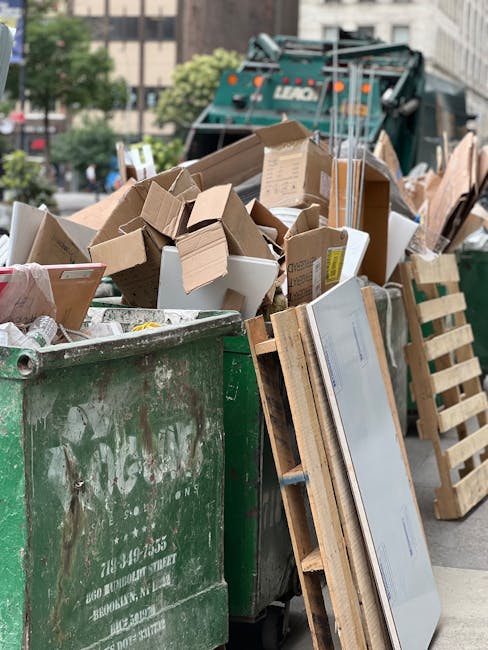
- Assuming a skip can go anywhere. Public land is not the same as private land.
- Leaving permit checks until the last minute. This is a classic project delay trigger.
- Overfilling the skip. It can create safety issues and extra handling charges.
- Mixing restricted materials without asking first. Some materials need separate handling.
- Booking based only on the cheapest price. Cheap can become expensive if the service is unclear.
- Ignoring neighbours and shared access. A quick courtesy note can prevent a needless argument.
- Not checking insurance and safety measures. That is one of those boring details that becomes very un-boring if something goes wrong.
Another common issue is underestimating the amount of dust and small fragments a building project creates. It is never just the big stuff. There is always more fine debris than anyone expects, and somehow it gets everywhere. Under the staircase, on the sill, in the van footwell. The usual.
Tools, resources and recommendations
You do not need fancy software to manage waste properly, but a few simple tools make life easier.
- Basic volume planning: a room-by-room waste list helps estimate what needs removing.
- Site photos: pictures of the access route and waste pile are useful when requesting a quote.
- A project schedule: even a simple one keeps waste removal aligned with the build sequence.
- A materials list: note whether waste is mixed, heavy, recyclable, or awkward to carry.
- Checklists for handover: useful for landlords, managing agents, and builders alike.
For a broader view of local services, the rubbish clearance in Maida Vale and waste removal in Maida Vale pages can help you compare what kind of support fits the job. If the project includes a loft, garage, or commercial space, those specialist services may save time too. No need to force one solution onto every job.
If you want to speak with a local team about a specific project, you can also start with the site's contact page. That is often the quickest way to clarify access, waste type, and timing before anything is booked.
Law, compliance, standards, and best practice
Because this subject touches public space, waste duty, and contractor responsibility, it is worth keeping the compliance side clear and cautious.
In practical terms, the main things to remember are:
- Waste must be handled by an appropriate carrier. Do not let it disappear into a vague arrangement with no paperwork or accountability.
- Public land use may require permission. That includes skips or containers placed on roads, pavements, or similarly shared areas.
- Safety comes first. Waste should not block sightlines, entrances, fire routes, or safe pedestrian movement.
- Mixed waste should be dealt with responsibly. Some materials need separate treatment or more careful sorting.
- Records help. For larger jobs, invoices and collection details are sensible to keep.
Best practice is usually the same whether the project is modest or large: plan early, be honest about the waste type, and choose a disposal method that suits the property. In Maida Vale, that often means prioritising access and street impact as much as volume. A perfectly legal setup can still be a poor fit if it blocks neighbours or slows the work.
If you are choosing a provider, it is also sensible to check their safety approach. The page on insurance and safety is useful for understanding what a responsible service should cover in general terms.
Options, methods, and comparison table
Choosing the right disposal method often comes down to access, waste volume, and timing. Here is a simple comparison to help you think it through.
| Method | Best for | Pros | Things to watch |
|---|---|---|---|
| Skip hire | Medium to larger volumes, rubble, mixed construction waste | Good capacity, convenient for ongoing work | May need a permit if placed on public land; access and space matter |
| Man and van collection | Smaller or mixed loads, fast clear-outs, restricted access | Flexible, often easier in narrow streets | May require clear load description and careful timing |
| Builders waste clearance | Renovations, strip-outs, and trades waste | Tailored to construction debris, often efficient | Confirm what materials are accepted and how the site is accessed |
| Specialist item disposal | Fixtures, furniture, bulky items, garage or loft contents | Useful alongside refurb work | May need separate booking if the load includes unusual items |
If you are not sure where your job fits, that is normal. Many Maida Vale projects sit between categories. A kitchen rip-out might start as builders waste, then become a bulky item clearance once cabinets and appliances are removed. Bit of a moving target, really.
Case study or real-world example
Picture a fairly typical Maida Vale refurb: a flat is being updated before new tenants move in. The job includes bathroom removal, some fitted storage removal, broken tiles, packaging, and a pile of plasterboard offcuts. The property has limited outdoor space, and the street parking is already tight.
At first glance, a skip seems like the obvious option. But once access is considered, the picture changes. Putting a skip on the road would likely require careful checking, and the owner does not want the pavement cluttered for days. Instead, the cleaner choice may be a timed collection service that removes waste in stages, paired with separate disposal for bulky fixtures.
This kind of approach keeps the site manageable. The hallway stays passable. The neighbours do not have a giant metal box outside for a week. The contractor can keep working without stepping around piles of debris. And the owner gets a neater, faster finish. Not glamorous, but very effective.
That is exactly why practical planning matters more than picking the first option that sounds easiest. If you want another local example of how bulky clearances are handled in real situations, the Clifton Road bulky rubbish clearance case study is relevant reading.
Practical checklist
Use this before the waste arrives. It saves time, and a small bit of calm, too.
- Have I identified the waste type clearly?
- Do I know roughly how much waste will be produced?
- Will anything be placed on a public road or pavement?
- Have I checked whether a permit or approval may be needed?
- Is access wide enough for the vehicle or loading method?
- Have I separated recyclable, general, and restricted materials?
- Do I know when the waste will be removed?
- Have I confirmed insurance, safety, and service terms?
- Are there neighbours, residents, or building users who need advance notice?
- Have I saved the quote, booking details, and any collection records?
Quick tip: if you are unsure about one item on this list, pause and clarify it before booking. One unclear detail can be the difference between a smooth job and a slightly chaotic Monday morning.
Conclusion
Building waste in Maida Vale is manageable when you approach it properly. The key is to think about location, access, waste type, and permissions before the first bag is dragged outside. That is the heart of Maida Vale building waste permits and disposal rules explained: not a maze of red tape, just a set of practical checks that keep the work safe and compliant.
For many projects, the best outcome is not the biggest skip or the quickest decision. It is the one that fits the street, the building, and the schedule. Get that right, and the rest feels a lot easier. Truth be told, that is half the battle.
If your project is coming up soon, take a minute to compare disposal options, confirm the access plan, and make sure the waste handover is clear. Small steps, big difference.
Get a free quote today and see how much you can save.



 Tipper Van - Rubbish Removal and Rubbish Disposal Prices in Maida Vale, W9
 Luton Van - Rubbish Removal and Rubbish Disposal Prices in Maida Vale, W9